Niet gecategoriseerd

24 Reminders for the last six to eight weeks of pregnancy

24 Reminders for the last six to eight weeks of pregnancy

The last few weeks of pregnancy are vitally important. Here are some suggestions for a mother during her final stages of pregnancy.

1. CRAWL ON ALL FOURS (HANDS AND KNEES) FOR FIVE TO TEN MINUTES, TWICE A DAY

This position allows optimum room for your baby to correctly place itself within your pelvis. This task is particularly beneficial if, upon abdominal examination, you find that your baby has rotated within your pelvis (into a posterior position, for example), or is yet to move down into your pelvis.

Posterior babies used to be uncommon in previous decades. It has been suggested that this is because women of these times would regularly scrub the floor on their hands and knees. This type of posture, with gravity’s assistance, encouraged babies to move anteriorly into the pelvis.

In preparation for birth we need to make a conscious effort to crawl around the house. If you feel inclined, embrace those ‘nesting urges and get down on your hands and knees and dust those neglected skirting boards and corners! Alternatively read a magazine or newspaper whilst on all fours.

2. KEEP AN UPRIGHT POSTURE

Avoid sitting in a reclined position (backward leanins) on the couch or in the ear, as these postures do not encourage correct positioning for your baby.

3. ENSURE YOUR SPINE IS ALIGNED FOR A MORE STRAIGHTFORWARD BIRTH

Due to hormonal changes and gravitational forces, pregnant women often develop specific subluxation and postural patterns. Research shows that correct alignment of the pelvis and spine contributes to a more straightforward labor with less pain and trauma for mother and child.

One particular subluxation pattern seen in pregnant women is the “Double PI Ilium/Sacral base posterior”. The pregnant mother tends to carry her head, drooping shoulders and whole upper body forward, decreasing the curve in her lower back. This results in head, neck, shoulder and back pain.

While not as commonplace as other patterns, according to Dr McCullen in her paper, Spinal Stabilization, “This type of subluxation pattern has more severe long-term consequences as the patient will be prone to protracted (long) labor, intense back pain during her labor and disordered uterine action (contractions that are inconsistent).”

Chiropractors can ensure that your spine is properly aligned and subluxation free, and regular visits while you are pregnant will diminish the chance of complications during labor.

4. PERFORM REGULAR PERINEAL MASSAGE

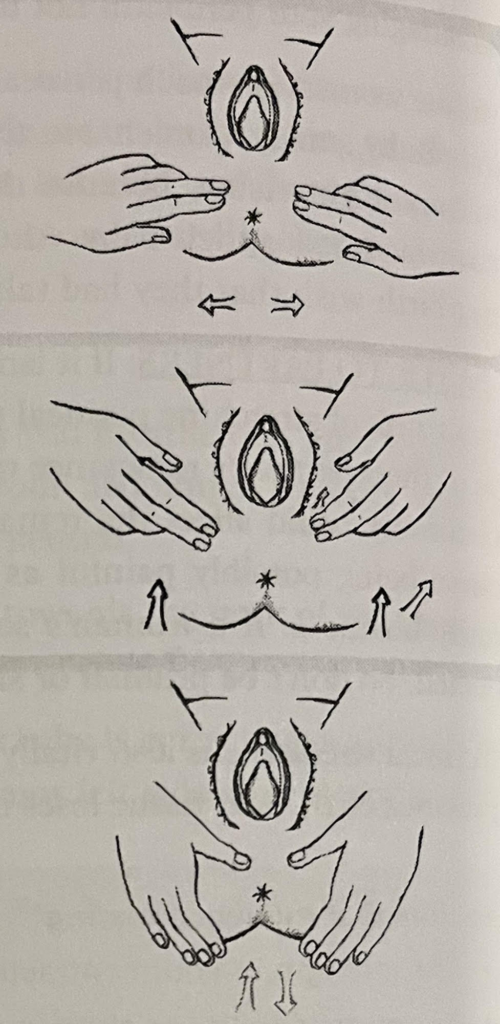
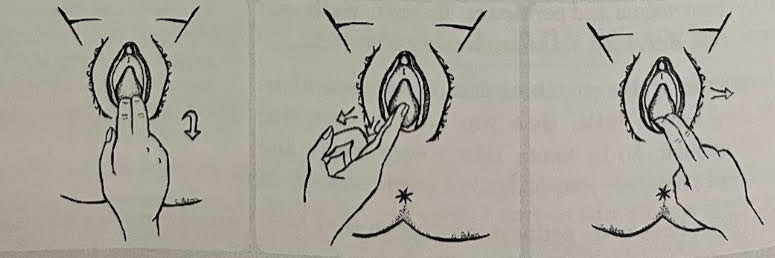
This is important, particularly if this is your first birth, or if you have suffered perineal tears with a previous birth. This massage, while at times painful and difficult, is one of the best methods for physically preparing the body for birth. Please ask us for our handout on perineal massage should you need techniques.

5. PERFORM PELVIC FLOOR STRENGTHENING EXERCISES

Keeping your pelvic floor strong at this late stage of pregnancy ensures quicker recovery post-birth.
A common complaint of new mothers is that no one tells them how heavy and sore their body can feel after a labor. There are few things worse than feeling as if you have to physically hold your pelvic floor as you climb a set of stairs.
So get busy with these strengthening exercises! Please ask us for our handout on pelvic floor exercises should you need techniques.

6. APPLY VITAMIN E OR JOJOBA OIL TO YOUR PERINEAL AREA DAILY

This activity helps to soften the area. If you are a new mother, your perineum has not had to stretch and accommodate for the passing of a small being before.

So help your body by encouraging elasticity. This will also be useful if you have previously experienced perineal tears.

7. APPLY OILS AND CREAMS ONTO YOUR STOMACH AND BREASTS TO HELP PREVENT STRETCH MARKS

It is beneficial to continue applying these lotions pre and post-birth, as your milk comes in and the breast tissue is further stretched.

8. BREAST MASSAGE IN THE LAST FEW WEEKS OF YOUR PREGNANCY HAS BEEN SUGGESTED BY SOME AUTHORS TO INCREASE MILK SUPPLY

With this massage you may experience some colostrum leakage; this is natural.
Knowing that you have abundant colostrum and breast milk available for your newborn instills great confidence in a new mum.

9. DRINK PLENTY OF RASPBERRY LEAF AND STINGING NETTLE TEA

These teas are available from health food stores. Use two handfuls of dre eaves and cover with boiling water in a litre jar, leave for four hours, strain and drink one cup per day. If making fresh, use three quarters of a teaspoon per cup.

Raspberry Leaf tea can be used alone or in combination with Squaw Vine, Beth Root and Blue Cohosh to help encourage a steady labor.

Stinging Nettle teas are rich in iron and vitamin K, which help to reduce the risk of hemorrhage and improve recovery post-birth. Nettles also help to reduce hemorrhoids as they are mildly astringent and strengthen blood vessel walls. Stinging Nettles are also beneficial during the first trimester.

Drink Raspberry Leaf tea regularly in the last six weeks of pregnancy as it is highly nutritious. Containing calcium, iron, folic acid and vitamin E, it prepares your body for birthing by helping to soften your cervix. Raspberry leaves consumed after labor also help milk production and hasten recovery of the uterus and pelvic area, post-birth.

10. BE PARTICULARLY MINDFUL OF YOUR DIET IN THESE LAST FEW WEEKS

In the last few weeks of pregnancy, focus on attaining enough vitamin C, B, E, K, iron, zinc and probiotics. Vegetarian mothers will also need to attain plenty of calcium and vitamin B12. Nothing beats getting these vitamins and minerals naturally from foods.

Some tips:

o  Vitamin C – attained through good quality fruits and vegetables. Vitamin C is vital for fetal development and for a mother’s increased demands of collagen for her growing breasts and stomach. Furthermore, vitamin C helps with the rate of post-labor healing, boosts your immunity and aids the body’s ability to absorb iron (sustained iron levels are vital).

o  Vitamins B – (in particular B2, B6, B9 and B12)-they may help to reduce the risk of both preeclampsia and intrauterine growth retardation.

o  Vitamin E – firstly from your diet, then in supplement form. Vitamin E is a valuable antioxidant, it protects against hemorrhoids and varicose veins, normalizes blood pressure and aids delivery.

o  Vitamin K- important for proper blood clotting and the prevention of hemorrhage.

o  Zinc – this mineral helps prevent stretch marks, perineal tearing and cracked nipples, and is important for fetal growth. Including zinc-rich foods every day in your diet may also help to prevent birth defects.

o  Iron-a pregnant mother’s diet should be rich in iron throughout her pregnancy, particularly in the last trimester. If this is your first pregnancy you may not need to take an iron supplement; with subsequent pregnancies, your blood tests may indicate lower iron levels and additional iron supplements (non-chelated) are required.

11. TRY BREATHING OUT WHEN HAVING A BOWEL MOTION

This helps a pregnant mother learn how to relax and release her pelvic floor.

12. HAVE A NAP EACH DAY

Adequate rest is important for both you and your growing baby.

“Take rest; a field that has rested gives a bountiful crop” Ovid (43BC-17AD)

13. CORRECT SLEEPING POSITION

It is recommended that once you know that your baby is correctly positioned towards the front of your uterus (best checked by your midwife), that you lie predominantly on the same side as your baby’s back to encourage him/her to stay in this same position.

As you lie on your side, place a small pillow underneath your pendulous belly (i.e. between your belly and the mattress). This helps to prevent the weight of your baby pulling your pelvis forward. Then place another smaller between four knees to assist correct alignment of your spine and pelvis.

14. VISUALIZE VS IDEAL POSITION OF YOUR BABY’S IDEAL POSITION FOR BIRTH

Visualize your baby’s position for birth:

o Head down

o With their chin tucked down onto chest

o Baby’s back to mum’s belly button

o Arms tucked down and against their body

15. PREPARE YOUR NIPPLES FOR BREASTFEEDING BY GENTLY PINCHING AND ROLLING THEM

These techniques help prevent nipples becoming too sore when first breastfeeding. These methods also familiarize a woman with handling her breasts and can be performed on both sides for two minutes a day in the last four to six weeks.

A mother can prepare her nipples by not wearing a bra and exposing the nipples to the gentle friction of clothes, also by exposing the nipples to sunlight for a few minutes a day. Rubbing the nipples with wheatgerm oil or expressed colostrum (late in pregnancy) is another important preparatory step.

Don’t rub your nipples with a towel or a brush in an attempt to toughen them, as this will merely rub off skin cells and leave your nipples tender. Also avoid washing your nipples with soap as this will cause them to dry out and promote cracking when they are later stretched.

TO PREPARE NIPPLES FOR BREASTFEEDING:

PINCHING: Using your thumb and forefinger, gently squeeze just behind the nipple. If your nipple does not protrude, gently pull them outward.
ROLLING: Once you have pinched, roll your nipple between your thumb and forefinger, gently stretching it forward out of your breast.

16. CONSIDER NOT TELLING YOUR FRIENDS AND FAMILY YOUR EXACT DUE DATE

Being vague about when you will reach your 40 weeks gestation can be very helpful, particularly if you do go over your due date. Remember that babies initiate labor when they are ready. Being discreet avoids repeated phone calls from well meaning friends and family and helps to minimize impatience for all involved.

17. MAKE A PHONE TREE

Nominate a couple of people to call after you’ve had your baby, and then have family and friends make the rest of the calls for you.

It is often best to only let a few people know when your labor starts, as this avoids unnecessary concern and tension. You can share your happy news with your family and friends once the big event is all over. This helps to prevent added stress and anxiety for everyone involved.

18. SPEND TIME WITH SOMEONE ELSE’S NEW BABY

This helps you visualize and appreciate just how beautiful and tiny your baby will be. Hold these babies, smell them and watch them feeding as this will be you soon!

19. USE MEDITATION TAPES

Quieten your mind and allow yourself time to connect with your unborn baby.

20. RESOLVE ANY ISSUES AND ACKNOWLEDGE ANY FEARS

It is beneficial for a pregnant couple to address any fears or anxieties they may have about birth. A laboring mother’s body is less likely to relax and open up during birth if she has internal conflict or if there has been a lack of communication amongst the support team.

Sit with your partner, get comfortable and take the time necessary to allow any concerns to surface. It is completely normal for couples to feel scared or nervous. It is best to be honest and to fully prepare to not judge these emotions.

Giving birth is possibly the greatest physical and emotional challenge you’ll ever face. Creating the time and space to face fears as a birthing couple (or with your birth partner if you have asked a girlfriend or your mother) can dramatically alter your birth outcome.

As a mother, some of your fears might be that there is something wrong with your baby, or that you will feel defeated by the pain of labor. You may fear that you’ll disappoint your partner in some way, or yourself.

Your partner might feel anxious about seeing you in a tremendous amount of pain, possibly for hours, or seeing you vomit or weep with exhaustion. They may be nervous about your level of health and whether you’ll be placed in any danger.

Ask your partner how they think they will respond during labor. How will they cope speaking with doctors and midwives?

Talk about these things in advance and remember the old saying that “failing to plan is a plan to fail”. Make sure everyone on your team is very clear on your birth objectives and that they are 100% supportive. If you are feeling challenged about the labor, speak to your midwife, watch positive birthing videos or read positive birthing stories. Keep focusing on ways that you can empower yourself as a birthing mother.

Take faith in knowing that women have successfully been giving birth since the beginning of time. Our bodies are designed for birth. Allowing emotions to surface and to flow without fear will enable you to fully prepare for birth and the wonderful journey of parenting.

21. ATTEND A PROACTIVE BIRTH SEMINAR

We no longer live in tribe-based cultures where young women witness and support other women birthing. Lacking the opportunity to observe natural labor without the sensationalism and hype of the media, we often misunderstand this natural process. Proactive birth seminars can fill in this gap, reminding us of the enormity of the event, and helping us to remember that birthing should be an empowering life experience.

22. TRY NOT TO EAT FISH IN THE LAST 2-3 WEEKS OF PREGNANCY

Fish prohibits prostaglandin production, which is necessary for initiating labor. Mothers ideally should limit their intake of fresh fish entirely at this point and similarly reduce their daily intake of fish oil supplements to every alternate day.

23. TAKE SUPPLEMENTARY TISSUE SALTS

These chewable tablets are safe, highly effective and easily accessible from health food stores.

Recommended tissue salts:

o Magnesium Phosphate – useful for preventing leg cramps and heartburn.

o Calcium Fluoride–aids varicose conditions.

o Silica- helps to prevent stretch marks.

o Nat Mur (or Sodium Chloride) – helps with fluid retention.

24. WALK AROUND THE HOUSE NAKED AND LOOK AT YOURSELF IN THE MIRROR

There is little room for modesty during labor. Getting used to seeing yourself naked prepares you for the likely scenario of strangers being with you in labor and seeing your naked body working to its full capacity.

Enjoy the time ahead till your little one arrives!

24 Reminders for the last six to eight weeks of pregnancy Read More »

Principles for restorative breaks

Principles for restorative breaks

Principles for restorative breaks

Image


When we think about time, it’s often that there’s not enough of it. What we often miss is that timing when we do things is a huge part of using our time well.

We tend to move through the day in three stages – a peak, a trough, and a recovery. And most of us move through it in that order. Those of us who are strong night owls go in reverse order. You also see a pattern of mood that follows the same sort of trajectory where we have an elevated mood in the morning. It drops in the early afternoon and then rises again late in the day. In the mornings, during the peak, most of us excel at heads-down focus: analytic work that requires sharpness and vigilance. The trough is good for routine administrative work. Later in the day, during the recovery, most of us do better on insight and creative work that requires less inhibition and resolve. A better mood with less inhibition can lead to great ideas.

Using the time of day to your advantage can lead to much better decision-making and fewer errors.

Another way to use timing is with breaks. The common view seems to be that amateurs take breaks; professionals don’t. And it’s the exact opposite. Professionals take breaks, amateurs don’t. Breaks are part of the performance.

Breaks can be as simple as standing up, shaking your arms and legs, flexing your muscles and rotating your core before sitting back down. You can also follow the 20-20-20 rule: for every 20 minutes spent on a task, spend 20 seconds looking at something 20 feet (6 meters) away.

Some guiding principles for restorative breaks:

  • Doing something is better than doing nothing. High performers work for fifty-two minutes and then break for seventeen minutes. Other research has shown that breaks scattered throughout strenuous tasks decrease fatigue and increased productivity.
  • Moving your body is better than being stationary. Hourly five-minute walking breaks can boost energy levels, sharpen focus, improve mood throughout the day and reduce feelings of fatigue in the late afternoon.
  • Being social is extremely important. Talking with coworkers about something other than work is effective at reducing stress and improving mood. We are wired to connect and be in a group. Lack of connection can lead to a multitude of mental health problems.
  • Outside is much better than inside. When the sun comes out, try to get a walk in with some fresh air. Listen to a podcast or your university class or take a meeting whilst walking outside.
  • Fully detached is better than semi-detached. Tech-free breaks reduce emotional exhaustion. Turn off your phone for a period of the day.

Some other time-specific activities:

  • Coffee: Avoid coffee immediately after you wake up, rather wait 90-120 minutes after waking for your first cup. It’s also a good idea to have your last hit of caffeine no later than 8 hours before you plan on going to sleep to minimize the effects of the stimulant on your sleep quality. Avoid drinking coffee near to eating as coffee reduces the amount of nutrients you can absorb from your food, so delay coffee for at least 1 hour after eating.
  • Sleep and wake time: It’s important to have a fixed bedtime and waking time. The body has a built-in circadian rhythm that functions best with routine.
  • Hormone levels: Many of our hormones oscillate through the day and night. Cortisol, for example, should be highest in the morning and lowest in the evening. The timing of hormones is important as a break in this cycle affects many of the systems in your body.
  • Timing of meals: intermittent fasting, where you cycle between periods of eating and fasting, may benefit heart health, reduce inflammation, and improve cell repair processes. Note: intermittent fasting is not for everyone. The evidence is based mostly on males, therefore for females we can still time our eating patterns, but it’s important not to have big swings in blood sugar levels. It’s also important to time your biggest meal of the day around your sleep schedule – so avoid a large or starchy meal at night as this can reduce sleep quality.
  • Sunlight: It’s important to expose your eyes to indirect sunlight so your brain knows that it’s daytime and releases the appropriate hormones for the day, the best time is in the morning. On sunny days, don’t feel that you always have to wear your sunglasses when it’s sunny. Sunlight helps a myriad of bodily processes such as setting your sleep-wake cycles. This works in reverse for nighttime. When it gets time to sleep, it is time to reduce light. This signals your brain to increase sleep hormones.

Principles for restorative breaks Read More »

Nutritional health during breastfeeding

Nutritional health during lactation

Breastfeeding, or lactation, is the natural way in which the mother of a newborn can feed her child instead of relying on cow’s milk or artificial formula preparations.

For example, mother’s milk is much easier to digest, prevents constipation, lowers the incidence of food allergies, and protects the baby from infectious diseases. Nursing also promotes healthy oral development, satisfies suckling needs, helps establish good bacteria balance in the gut of the baby and enhances bonding and skin-to-skin contact between mother and child. Breastfeeding is beneficial to the mother in that it reduces the chance of haemorrhaging from the placental site, gives the mother opportunity to rest, and encourages the uterus to contract, returning to its pre-pregnant size. The quality of breast milk however, depends highly on the diet of the mother. The following are essential to a breastfeeding mother’s diet…
 
Tips:
 

– Drink between 1.5 – 2L water per day (filtered)

– Increase amount of protein

– Boost amount of friendly gut flora by consuming pre-biotic foods and taking a decent high dose broad spectrum lactation specific probiotics.

– A Multivitamin supplement high in activated B Vitamins (ie NO FOLIC ACID, but folate instead) is essential to provide both mother and baby with nutrients for growth, repair and energy.

– Eat plenty of eggs, nuts and seeds, vegetables, salads and plant proteins. Limit your intake of refined grains (white bread, biscuits, etc)

– Mum should be decreasing consumption of cow’s milk (this can increase chances of baby forming food allergies and asthma and eczema.)

– In recent studies, mothers who consumed garlic increased their babies’ desire for milk, and the babies nursed longer. Garlic is good for both the mother and the infant by increasing immune function. However, it can be a gut trigger in some infants.

– Almost all drugs have been found to enter a nursing mother’s milk including alcohol, antibiotics, antihistamines, aspirin, caffeine, Valium, marijuana, nicotine, codeine and morphine. Some of the effects of these drugs can have on an infant include diarrhoea, rapid heart rate, restlessness, irritability, crying, poor sleeping, vomiting and convulsions. In addition, some of these drugs can accumulate in an infant’s body and cause addiction.

Bone broth for mum and bubs:

– Helps broaden baby’s palate, Breast milk (and formula) are quite sweet, so offering this nutrient dense savory beverage helps to diversify your baby’s palate, strengthens growing bones & teeth, 

– Bone broth is rich in an easily digested and assimilated form of calcium & magnesium, which are essential for your baby to build strong, healthy bones and teeth, helps build connective tissue & joints, contains glucosamine and chondroitin, which are among two of the most important nutrients for joint care and will assist in the development of your baby’s joints. 

– Bone broth is also a great source of hard to find nutrients gelatin and collagen, which are key in building and supporting connective tissue. These nutrients also aid in building cartilage and bone and this is why your broth gels when cooled. Just lightly reheat before serving, do not boil as this destroys a lot of the nutrients. 

– Reduces the risk of allergies, another wonderful benefit of collagen is its ability to strengthen the intestinal lining, which greatly reduces the risk of allergies and food sensitivities. 

– Supports immunity & digestion, The specific amino acids in bone broth perform a wide variety of functions including boosting the immune system and improving digestion.

Herbs:

– Alfalfa, dandelion root and leaf, fennel, horsetail and raspberry leaf are all beneficial for promoting lactation and increasing the nutrient quantity in breast milk.
 
– Small amounts of Sage tea can be used to slightly decrease and overproduction or fast let down of breastmilk (Consult your practitioner about a suitable dosage as over consumption can reduce milk supplies too much).
 
– Nettle leaf has a tonic effect and contains iron in addition to many other nutrients. These can be found in the form of tea. Chamomile Tea taken by the mother has a beneficial effect on babies with sleep disturbance.
 
– Catnip – for mother and baby (nerve tonic and great for fatigue and depression Cinnamon and Ginger can be used as digestive aids in small doses.
 

Foods that commonly cause colic or cause aggravation:

– Brassica Vegetables not cooked enough eg broccoli, cabbage, cauliflower High sulphur foods like onions, brussel sprouts, garlic for some, eggs Chocolate, Full cream milk
 
– Soft drinks INCLUDING DIET OR ARTIFICIALLY SWEETENED DRINKS Coffee and too much black and green tea
 

Essential nutrients and where they are found:

– Essential Fatty acids (Omega oils): Fish, flaxseed oil, linseeds and their oil, olive oil, chia seeds, hemp seeds. (Flaxseed oil can be applied directly onto babies with dry skin irritations)

– Free form amino acids: Found in high protein foods such as eggs, lean organic red meat, free-range chicken, nuts and seeds, legumes (beans, lentils etc), Tofu, brown rice and vegetables. Bone broth.

– Calcium: soy, almond, rice & goats milk, sardines, salmon, green leafy vegetables, sunflower seeds and tahini, almonds, broccoli, carob, kelp & seaweeds, oats, prunes, tofu, yoghurt (low fat). Bone broth.

– Zinc: Beef, baked beans, cashews, egg yolks, ginger, herrings, liver, milk, lamb, oysters, sunflower and pumpkin seeds, wholegrains, brown rice.

– Magnesium: meat, fish, seafood, apples, apricots, avocados, bananas, brown rice, grapefruit, green leafy vegetables, kelp, lemons, lima beans, nuts and seeds, soybeans, tofu and whole grains. Bone broth

– B Vitamins: Brown rice, eggs, legumes, fish, free-range chicken & whole grains.

– Folate: Barley, buckwheat, brown rice, organic beef, free-range chicken, green leafy vegetables, legumes, lentils, mushrooms, oranges, root vegetables, salmon, tuna and whole grains.

– Vitamin C: Fresh fruit and vegetables. Excellent sources include berries, citrus fruits and green vegetables.- Vitamin E: Almonds, Beef, Corn, Egg yolk, nuts, safflower, sunflower, wheat germpage2image66057920

– Vitamin D: Fish, cod liver oil, dairy products (limit these), eggs, oats, sweet potatoes, safflower and olive oils.

– Iron: Eggs, Fish, liver, organic red meat, free-range chicken, green leafy vegetables, whole grains, almonds, avocados, kelp, chlorella (chlorophyll), soybeans, alfalfa.

– Chromium:  brown rice, lean organic meat, whole grains, dried beans, free-range chicken, corn, eggs & mushrooms.

Supplementation during pregnancy and breastfeeding is highly recommended as assimilation and absorption of minerals and vitamins from your diet can be limited, especially if you, the mother has underlying problems such as low stomach acid, hypoglycaemia, Candida, food sensitivities, imbalance of intestinal flora and parasites. It is essential that supplementation be monitored by a health professional during both pregnancy and breastfeeding.

Resources:

Nutritional health during breastfeeding Read More »

Gut Health and Your Nervous System.

Gut Health and Your Nervous System

Gut Health and Your Nervous System

Gut health and the microbiome have become increasingly popular topics in recent years, as more and more research has shown the profound effects that these factors have on our overall health and well-being. So let’s dive a bit deeper into this topic!

What exactly is the gut microbiome, and how does it impact our health? And how does it connect to our nervous system?

To begin, let’s define the gut microbiome. Essentially, it is the collection of microorganisms that live within our intestines. These microorganisms, or “gut bacteria,” play a crucial role in maintaining the health and balance of our digestive system. In fact, the human gut is home to trillions of bacteria, viruses, and fungi, all of which work together to keep our digestive system functioning properly. But the gut microbiome doesn’t just affect our digestion – it also plays a role in our overall health and well-being. Studies have shown that an imbalanced gut microbiome can lead to a variety of health problems, such as inflammation, allergies, skin conditions, autoimmune conditions and even mental health issues. On the other hand, a healthy gut microbiome can improve our immune system, aid in nutrient absorption, and even boost our mood.

How does this connect to the nervous system and how do we maintain a healthy gut microbiome?

The gut and the brain are constantly communicating with each other through a complex network of nerves and hormones. This connection is known as the gut-brain axis. When the gut microbiome is out of balance, it can disrupt this communication, leading to problems such as anxiety, depression, and even neurological disorders. In fact, scientists have even referred to the gut as the “second brain” because of the profound impact that it has on our mental health.

One of the most important things we can do is to eat a diet rich in fruits, vegetables, and fermented foods. These foods contain prebiotics, which are non-digestible fibers that serve as food for the beneficial bacteria in our gut. Additionally, probiotics, which are live microorganisms found in fermented foods such as yoghurt and kimchi, can help to repopulate the gut with beneficial bacteria.

What can we do to optimize our gut-brain function?

Diet and lifestyle factors play a huge role in how healthy our gut is.

Stress, poor sleep, alcohol, antibiotics and other prescription medications, sugar consumption and physical inactivity can all negatively affect the health of your gut microbiome. Removing or reducing these from your life can have a big impact.

In case you suspect you have a condition that is caused by an imbalance in your microbiome, it may be helpful to work with a healthcare professional to develop a personalized plan to restore balance. This may include a combination of dietary changes, probiotic and prebiotic supplements, and even antibiotics.

The gut microbiome plays a crucial role in our overall health and well-being. It is connected to the nervous system, and an imbalance in either the gut microbiome or the nervous system can lead to a variety of health problems, including mental health issues. But by keeping the nervous system free from interference and eating a diet rich in fruits, vegetables, and fermented foods, we can maintain a healthy gut-brain axis and in turn, improve our overall health and well-being. A healthy gut is a big step towards a healthy mind-body.

Gut Health and Your Nervous System. Read More »

Testing your Bowel Transit Time with the Sesame Seed Challenge.

Testing Your Bowel Transit Time with the Sesame Seed Challenge

Testing Your Bowel Transit Time with the Sesame Seed Challenge

Stool or ‘bowel transit time’ is the time it takes for your food to travel through your entire digestive tract (AKA in one end and out the other). Monitoring your bowel transit time is a great indicator of gut health. Today we have a test to know your transit time and what the results may indicate.

THE DIGESTIVE TRACT RECAP

Before we dive into the juicy details, let’s recap on the path of which food takes once it leaves “the outside world”


As food enters the mouth, we (hopefully) chew our food well, before it is swallowed. Once swallowed, the food moves to the stomach, where over the course of anywhere between 40mins- a few hours, it is mixed with stomach acid and digestive enzymes. From there, it travels through the pyloric sphincter into the small intestine, where the extraction of nutrients begins. What’s left, then moves to the large intestine where bacteria break down proteins and starches that were not digested fully in the small intestine and water is extracted. The remaining waste gets eliminated through the colon in the form of a Number 2. The topic we already touched on in our most recent newsletter, the size, shape and colour of this toilet bowl ‘deposit’ can tell us a whole lot about how effectively this process is working; as can the time it takes for this process to be completed. Intrigued? Read on


BOWEL TRANSIT TIME EXPLAINED

The ideal bowel transit time is anywhere from 12 to 24 hours.

A transit time longer than 2 days means things are backing up in your GIT and as such, this can increase your risk of hormonal imbalance, diverticulosis, colon cancer and candida (overgrowth of unfriendly bacteria), which in turn can weaken the immune system.

A transit time less than 10 hours can mean lack of nutrient absorption, which can lead to serious nutritional deficiencies and weakened immunity. Factors affecting transit time can include food allergies, small intestinal bacterial overgrowth, IBS, excess caffeine intake and more.

BUT HOW DO WE TEST OUR BOWEL TRANSITION TIME?

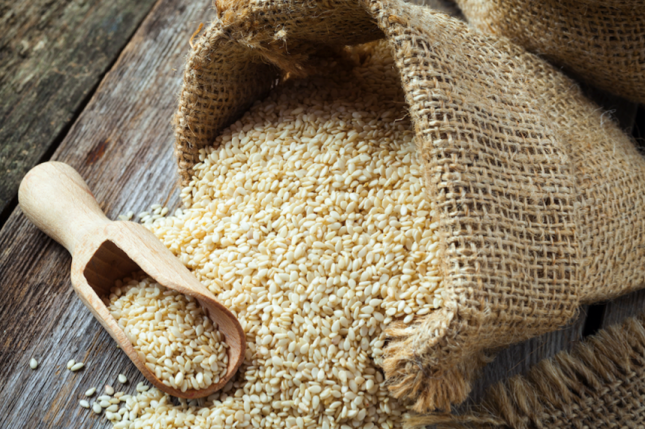
Sesame seeds (like corn) remain undigested as they pass through the GIT therefore we can use them to test GIT transit. If you’re willing to give this a go, all you have to do is follow these three simple steps


THE SESAME SEED CHALLENGE

  1. Mix a teaspoon of sesame seeds into a glass of room temperature water
  2. Drink it up!
  3. Wait and watch!

TIPS FOR HEALTHY DIGESTION

If your transit time falls outside the recommended 12-24 hours to help ‘move things in the right direction’, here are a few suggestions to increase optimal digestive function and bowel transit time:

  • Eat more fiber – A huge problem in today’s society. Add in lots of fruit, veggies, and legumes to your diet – a minimum of 6 cups per day (yes, you read that correctly, 6 Cups!).
  • Increase your water intake – aim for 0.033 x body weight (kg) = L per day.
  • Reduce consumption of white and refined grains, carbohydrates, pasta, and bread.
  • Consume more cultured/fermented foods such as: pot-set yogurt, sauerkraut, and kefir.
  • Increase your amount of daily exercise.

If none of the above helps when you retest a few times, I recommend seeking the help of a qualified health practitioner (if you need, ask us for some tips of good practitioners in Amsterdam).

Testing your Bowel Transit Time with the Sesame Seed Challenge. Read More »

What your poop says about you

What Your Poop Says About You

What Your Poop Says About You

Poop Image

Although some people find bowel habits a source of embarrassment, what happens in your bathroom can provide you with a whole lot of insight into not only how well your digestive system is working, but also how to fix it. Concerned your poop isn’t up to scratch? Not sure what your poop is meant to look like? Before you flush, you might want to read this!

If your digestive system is not working properly, you are at greater risk of having a weakened immune system, suffering from malnutrition (even if you’re eating all the right foods) and even struggling with mood disorders such as depression. Better understanding your digestion is the first step you can take to optimize your overall health and even shift those unwanted kilos, eliminate headaches and skin conditions and manage auto-immune conditions.

The Rabbit Poop

If you see hard lumps in the toilet, chances are you have a tendency towards constipation. The best thing to do in this case is increase your intake of clean, filtered water as well as up your intake of leafy greens and other vegetables.

Rabbit poop can also be a sign of poor gut bacteria, and as such, you may require a boost in gut-friendly bacteria.

The Out-of-Shape Poop

While rabbit poop is more of a constipation issue, out of shape poop falls on the diarrhea side of the spectrum. Unformed stool is often associated with a short transit time, which means the foods you are eating are moving too quickly within your digestive tract and hence, you are leaving little time for your body to assimilate the required nutrients. To help solidify the stool, cut your intake of processed foods (in particular ALL artificial sweeteners) and increase your intake of fiber (lots of fresh vegetables and leafy greens). If that’s not enough, chronic diarrhea can be the result of an infection (from any kind of microbe like that of a parasite, fungi, or bacteria), if this is the case, you will need to seek the help of a professional to restore full health.

Deja Poo

Looking at your poo and seeing what you ate for dinner the night before? Either you have not chewed your food well enough or your digestive system is in need of support. The exception to this rule is the odd kernel of corn, flax seeds, or a piece of tomato skin that can be difficult to digest.

For many people seeing what you ate for dinner is indicative of low stomach acid. Low stomach acid can be caused by stress, antacid medications, and an H. Pylori infection. It also appears that eating a vegetarian diet for a significant period of time can also lower your stomach acid levels.

Another cause of undigested food particles in your food is not chewing your food properly. Slow down and chew your food (there are no extra teeth in your stomach!).

To help restore your poop to its natural state, address your levels of stress, chew your food properly, and opt for some natural remedies to help boost your stomach acid production such as lemon juice in warm water, apple cider vinegar, pineapple, and paw paw. If you’ve addressed all of the above and you’re still struggling, additional support from various available digestive enzymes might be required.

The Floating Foul-Smelling Poop

Floating, foul-smelling, skid mark leaving and/or pale in color poop is a clear indication that you’re malabsorbing fats. The most common cause of this is a dramatic increase in the intake of fats and is very common for those letting go of the low-fat dogma. Eating fat is not bad, it’s just the liver and the gall-bladder need a little bit of time to increase bile production. If your poop falls into this category, the best strategy is to cut back on your fat intake and begin to increase it slowly as you adjust. You would also want to boost the health of your liver and gall-bladder to help the process, hot water and lemon juice daily is a great place to start.

The Perfect Poop

The perfect poop should be the size and shape of a banana and be easy to pass. If your digestion is optimal you should be having at least 1 bowel movement per day, but up to 2-3 per day is ok. The color should be a shade of mission brown.

For some people, implementing the above strategies may not be enough to optimize digestion. In that case, you might want to consider being tested for gastro-intestinal infections and food sensitivities. See your local naturopath or integrative specialist for more information. If you need a recommendation of a good therapist in Amsterdam, let us know and we can provide some names.

What your poop says about you Read More »

How exercise effect your genes.

How Exercise Affects Your Genes

How Exercise Affects Your Genes

“Physical inactivity produces an abnormal gene expression and is a direct causal factor of most chronic health conditions by its direct alteration of gene expression from a normal phenotype to a preclinical or clinical phenotype.” “Further misconception could arise from the thought that exercise is a tool to repair the expression of the genome when in fact exercise induces normal expression of the genome.” “Thus it may be more useful if physical inactivity is viewed as a direct inducer of chronic health conditions.” “In other words, physical inactivity is an abnormal event for a genome programmed to expect physical activity, thus explaining, in part, the genesis of how physical inactivity leads to metabolic dysfunctions and eventual metabolic disorders such as atherosclerosis, hypertension, obesity, Type 2 diabetes and so forth.”

WHAT YOU NEED TO KNOW:

This landmark paper discusses the devastating effects that result from a lack of exercise and physical fitness, as well as the proven health, wellness, recovery, and prevention benefits of sufficient exercise and fitness. It stands as one of the most important ever written. Exercise is a genetic requirement for human beings, and it is simply not possible for children, young adults, adults, or seniors to be healthy without daily physical activity.

Whether you currently enjoy exercise or not is irrelevant. It is essential for us to lead a healthy life.

Lack of exercise is a primary causal factor in virtually every chronic disease, including heart disease, obesity, depression, anxiety, digestive disorders, fertility issues, cognitive decline, sexual dysfunction, sleep disorders, cancer, and the leading cause of poor quality of life and shortened lifespan.

Moreover, lack of exercise and deficient physical fitness is a primary causal factor in reduced immune function and severe outcomes from infectious illnesses, including COVID-19 and flu.

WHAT YOU NEED TO DO:

You must exercise every day. Consider exercise as an essential nutrient and recognize it as the true panacea for wellness, prevention, and recovery. Let’s get moving!

🏃 🏊 🚮 💃 đŸ•ș

How exercise effect your genes. Read More »

The health risks of BPA.

Understanding the Health Risks of BPA

Understanding the Health Risks of BPA

If you frequently use plastic containers or water bottles, you might have encountered the term BPA, or Bisphenol A. This industrial chemical is an essential component in the production of two widespread synthetic materials.

Polycarbonate and Epoxy Resins are found in a variety of consumer items, including but not limited to food storage containers, baby bottles, and lining for canned goods. It’s critical to understand the health implications of using products that contain BPA.

Health Consequences of BPA:

BPA is not just an ordinary chemical; it has the potential to disrupt hormonal balance in both males and females. Research links BPA to numerous health concerns like infertility, various cancers, obesity, diabetes, early puberty, and behavioral shifts in children. Moreover, BPA has been connected to decreased sperm counts in men.

It’s worth noting that some jurisdictions, like Canada, have already declared BPA as a toxic substance. Both the United States and Europe have banned the use of BPA in plastic infant bottles.

Is ‘BPA-Free’ Truly Safe?

While manufacturers are promoting BPA-free products to alleviate consumer fears, the reality may not be as reassuring. Many of these supposedly safer alternatives contain Bisphenol S (BPS), a compound which early studies suggest might have similar hormone-mimicking properties to BPA.

Reducing BPA Exposure:

  • Switch to glass baby bottles for infant feeding.
  • Opt for reusable stainless steel water bottles instead of plastic ones.
  • Use glass jars or Pyrex containers for storing food.
  • Avoid microwaving food in plastic containers.
  • If you use plastic kitchenware, keep them out of the dishwasher and replace old or scratched items.
  • Consider using glass dishes and cups in place of plastic versions.
  • Steer clear of plastic wrap, especially when microwaving food.

While it may be challenging to entirely eliminate BPA exposure, these steps can substantially lower your risks and contribute to a healthier lifestyle…

The health risks of BPA. Read More »

Why I don’t eat Margarine.

Why I Don’t Eat Margarine

Why I Don’t Eat Margarine

I haven’t had margarine since I was probably 10 years old. After the propaganda of ‘fat will block your arteries and kill you” in the 80’s and 90’s, we’ve come a long way to understanding why that isn’t so and why (good) fats are necessary for a healthy body and brain, but also why those low-fat “healthy” alternatives are so often terrible for our health, with margarine being a biggie!

WHAT’S IN MARGARINE?

Margarine is typically made from a range of vegetable oils, milk, salt, emulsifiers, colors, flavors, preservatives, food acid, maltodextrin, vitamins A and D amongst other things. To some people, this might sound OK – vegetable oils, vitamins with a few “less desirables” but hey, what are you going to do? We all know we need fewer additives, preservatives, colors, and flavors, but what about the big players in this process?

VEGETABLE OILS

  • Palm Oil
  • Sunflower Oil
  • Soybean Oil
  • Canola Oil
  • Peanut Oil

Whilst the term “vegetable oil” may sound harmless, unlike olive oil (that’s squeezed from crushed olives), most vegetable oils undergo a long and arduous process that makes the product palatable for sale. Let’s use Canola oil as an example. According to the Weston A. Price Foundation experts Sally Fallon and Mary Enig, the process of preparing canola oil for sale is as follows:

“Like all modern vegetable oils, canola oil goes through the process of refining, bleaching, and degumming — all of which involve high temperatures or chemicals of questionable safety. As canola oil is high in omega-3 fatty acids, which easily become rancid and foul-smelling when subjected to oxygen and high temperatures, it must be deodorized. The standard deodorization process removes a large portion of the omega-3 fatty acids by turning them into trans fatty acids. Although the Canadian government lists the trans content of canola at a minimal 0.2 percent, research at the University of Florida at Gainesville found trans levels as high as 4.6 percent in commercial liquid oil. The consumer has no clue about the presence of trans fatty acids in canola oil because they are not listed on the label.”

Trans fats are the ones we want to avoid. Why? Firstly, they have been linked to inflammation and calcification of arteries, which are well-established risk factors for coronary heart disease. High levels of trans-fats have also been linked with breast cancer as well as pre-eclampsia, obesity, colon cancer, diabetes, allergies, and more.

But what about trans-fat free margarine? Well, this is where it all gets a little science-based BUT according to McGill University in Canada:

“A liquid fat that has mostly unsaturated fatty acids connected to its glycerol backbone is mixed with a solid fat such as glyceryl tristearate. The solid fat can be made by total hydrogenation of a vegetable oil such as soybean oil. Total hydrogenation gets rid of all the double bonds and does not produce any trans fats”

In short, the oil is once again, heavily processed to produce a spreadable option. It’s not real food.

EMULSIFIERS

Emulsifiers are used to combine two ingredients that normally don’t mix together, i.e. oil and water or oil and vinegar. Emulsifiers are used frequently in food manufacturing to stabilize processed foods.

What are the health effects? One study suggests emulsifiers have the potential to damage the intestinal barrier, leading to inflammation and increasing our risk of chronic disease.

Another study discovered that feeding mice common emulsifiers resulted in an altered gut microbiome, with reduced numbers of bacteria considered beneficial to health, and increased levels of inflammation-promoting microbes. The research also discovered that once healthy mice who had been fed emulsifiers ate more food and gained more weight (especially body fat), had higher blood sugar levels, and were resistant to the action of insulin AKA metabolic syndrome. A huge player in the health epidemic.

HOW IS BUTTER MADE?

Butter is made by churning fresh or fermented cream or milk, sometimes with a little salt. That’s it.

I know which one I’d rather 🙂

Why I don’t eat Margarine. Read More »