Barefoot Shoes: The Ins and Outs, and Why Your Feet Might Thank You
Barefoot Shoes: The Ins and Outs, and Why Your Feet Might Thank You
For most of our lives, we put our feet into shoes without giving them much thought. We choose trainers for comfort, boots for support, and everyday shoes because they look good or fit the occasion. But increasingly, people are asking a different question: What if our shoes are actually changing the way our feet move? That is where barefoot shoes come in. Barefoot shoes are designed to allow your feet to move more naturally, with a shape and construction that interfere less with the way your feet are designed to function. They are not quite the same as walking barefoot, but they aim to provide a similar sense of freedom while still giving your feet some protection from the ground. So, what exactly are barefoot shoes, what are the potential benefits, and should you make the switch? Let’s take a closer look.
What Exactly Are Barefoot Shoes?
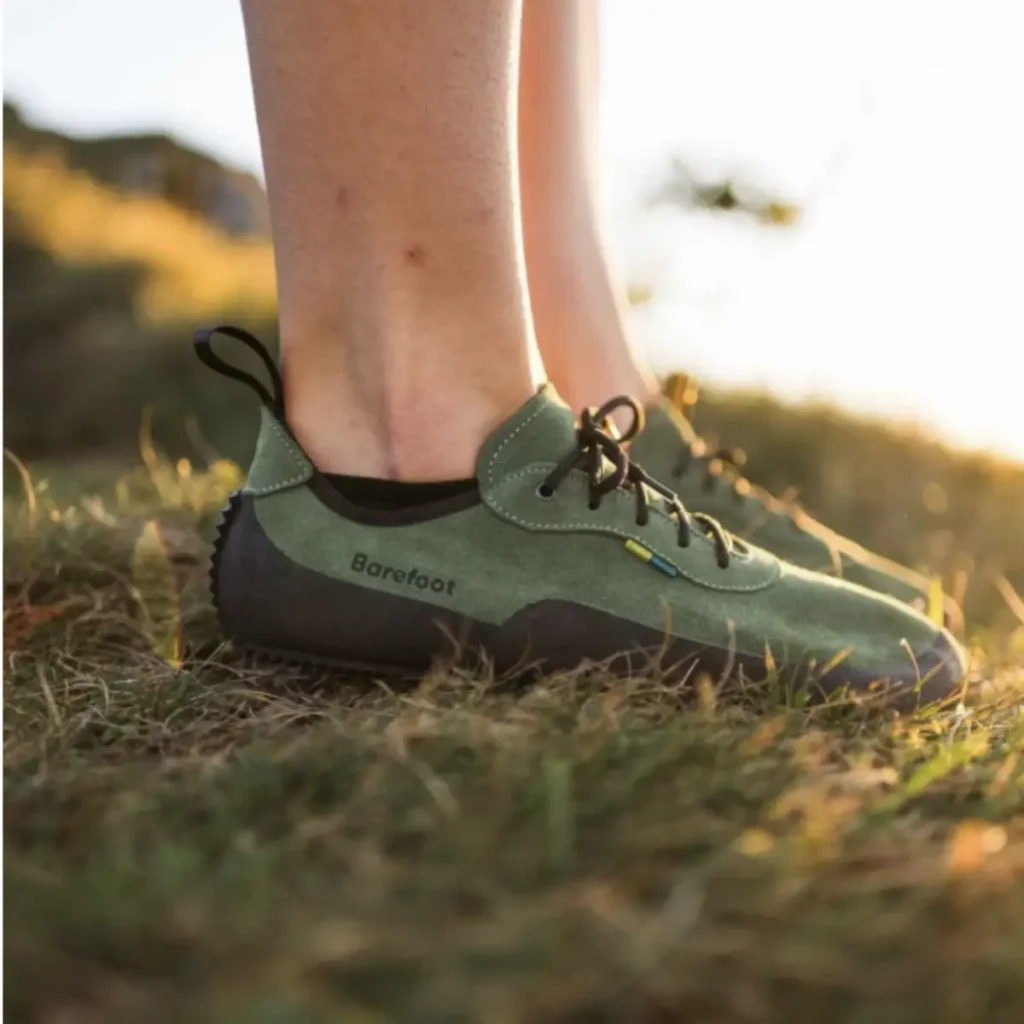
The term “barefoot shoe” can sound slightly contradictory. After all, you’re still wearing a shoe. The idea is that the shoe should allow your foot to behave more like it would if you weren’t wearing a restrictive shoe at all. Most barefoot shoes share several key characteristics:
A wide toe box
Perhaps the most noticeable difference is the shape.Traditional shoes often taper towards the toes, creating a narrower front. Barefoot shoes generally have a much wider toe box, allowing the toes to spread and move independently. This matters because your toes aren’t simply there to help your shoes fit. They play an important role in balance, stability and how your foot interacts with the ground.
Zero drop
Barefoot shoes typically have little or no difference in height between the heel and the forefoot. This is known as zero drop.Many conventional running and lifestyle shoes have a raised heel, which changes the angle of the foot and can influence how you stand and move. Zero-drop footwear is designed to keep the foot in a more neutral position.
A thin, flexible sole
Barefoot footwear generally has a much more flexible sole than traditional shoes. Rather than completely isolating your foot from the ground, the sole allows you to feel more of the surface beneath you while still providing protection from stones, rough surfaces, heat and other hazards.
Minimal structure
Barefoot shoes tend to avoid excessive rigidity, stiff soles and heavy support structures. The goal isn’t necessarily to make your feet work harder for the sake of it. It’s to give them more opportunity to move naturally.
Why Are People Interested in Barefoot Shoes?
One of the biggest reasons people try barefoot footwear is surprisingly simple: They want their feet to feel like feet again.Our feet contain a complex network of bones, joints, muscles, tendons and sensory receptors. They are designed to adapt to different surfaces and help us maintain balance as we move. When your feet spend most of the day inside structured footwear, however, they have less opportunity to move freely.Barefoot shoes attempt to give some of that movement back. For some people, the difference can be immediately noticeable. For others, it takes time to adapt. And that brings us to one of the most important points about barefoot footwear: More freedom doesn’t necessarily mean you should do everything barefoot immediately.
Benefits you may find with Barefoot Shoes
The research around minimalist and barefoot footwear is still developing, and the effects can vary considerably from person to person. However, there are several potential benefits worth understanding.
1. More room for your toes
One of the simplest benefits is also one of the most overlooked. A wide toe box gives your toes room to spread rather than squeezing them together.When you stand and walk, your toes contribute to stability. Allowing them more freedom may help you develop a better awareness of how your feet contact the ground.For people who have spent years in narrow footwear, simply having more space can feel dramatically different.
2. Greater foot awareness
Our feet are packed with sensory receptors that provide information about the surface beneath us. A thick, heavily cushioned shoe can reduce some of that sensory feedback. A thinner, flexible sole allows you to feel the ground more clearly. You may notice changes in texture, pressure and balance that you previously didn’t pay much attention to. This increased awareness is one reason barefoot footwear can feel so different when you first try it.
3. Encouraging natural foot movement
Barefoot shoes are designed to let the foot flex, spread and move more freely. Rather than relying heavily on the structure of the shoe, your feet have more opportunity to participate in each step. Over time, this can provide a useful stimulus for the muscles and tissues of the feet and lower legs. However, it’s important not to interpret this as a guarantee that barefoot shoes will “fix” every foot problem. Human feet and bodies are different, and footwear affects everyone differently.
4. Potentially stronger feet
Some research into minimalist footwear suggests that changing footwear can influence the strength and function of the muscles within the foot. This makes intuitive sense: if your footwear allows your feet to move and work more freely, those tissues may receive a different stimulus than they would in a highly structured shoe. But there is an important catch. Your feet need time to adapt. Going from years of supportive footwear straight into long barefoot runs is a very different proposition from gradually introducing minimalist shoes into your daily routine. More isn’t automatically better.
5. Better balance and proprioception
Proprioception is your body’s ability to understand where it is in space. Your feet play a major role in this process. Feeling the ground beneath you can provide your nervous system with more information about balance, pressure and movement. For this reason, some people enjoy barefoot footwear for activities such as walking, strength training, yoga and everyday movement.
6. A more natural walking experience
Perhaps the biggest appeal is simply the feeling. A good barefoot shoe should move with your foot rather than making your foot conform to the shoe. Walking on different surfaces can become more interesting because you can actually feel what you’re walking on. For many people, barefoot footwear isn’t about achieving some perfect biomechanical ideal. It’s simply about having footwear that feels less restrictive.
Barefoot Shoes Don’t Mean “No Protection”
It’s easy to assume that barefoot footwear means walking around with virtually nothing between your feet and the ground. That’s not the case. Barefoot shoes still provide protection. The difference is that they generally try to provide that protection without unnecessarily restricting the movement of the foot. Think of it as a compromise between being completely barefoot and wearing a heavily structured shoe. You get protection from the environment while retaining more freedom of movement.
What About Running?
This is where things get particularly interesting and where caution is important. Running in minimalist shoes changes the demands placed on your feet and lower legs. If you’ve spent years running in highly cushioned shoes, suddenly switching to a minimalist shoe can be a significant change.Your calves, Achilles tendons, feet and other tissues may be exposed to loads they’re not accustomed to. That’s why transitioning gradually is so important. You might begin by wearing barefoot shoes for short walks or everyday activities before introducing short periods of running. Your body doesn’t care how excited you are about your new shoes. It still needs time to adapt.
How Should You Transition?
If you’re new to barefoot shoes, resist the temptation to wear them everywhere from day one. Instead, think of the transition as training. Start small. Wear your barefoot shoes for short walks around the house, errands or other low-intensity activities. Pay attention to how your feet and lower legs feel. As your body becomes accustomed to the different demands, gradually increase the amount of time you spend wearing them. If you’re experiencing persistent pain rather than ordinary adaptation or muscle fatigue, back off and consider getting advice from an appropriately qualified healthcare professional. The goal is not to prove that you can tolerate barefoot shoes. The goal is to give your feet an opportunity to adapt.
Common Mistakes People Make
Doing too much too soon
This is probably the biggest mistake. A minimalist shoe can feel deceptively comfortable because it’s light and flexible. That doesn’t mean your body is immediately prepared for extended use.
Assuming pain is part of the process
Some adaptation is normal. Pain that persists, worsens or changes the way you move is something different. Listen to your body rather than treating discomfort as evidence that the shoes are “working.”
Choosing a barefoot shoe that’s still too narrow
A shoe can have a thin sole and zero drop and still fail to give your toes enough room. The shape of the shoe matters. Your toes should have space to spread naturally rather than being squeezed together.
Treating barefoot shoes as a cure-all
Barefoot footwear isn’t a magic solution. It won’t automatically correct posture, eliminate injuries or solve every foot problem. What it can do is change the environment your feet move in. Whether that change is beneficial depends on the individual.
What Should You Look For?
If you’re considering buying your first pair, look beyond the label. A good barefoot shoe should generally provide:
-
A genuinely roomy toe box
-
A relatively flat sole
-
Good flexibility through the forefoot
-
Enough protection for the surfaces you’ll be walking on
-
A secure fit around the heel and midfoot
-
Enough space for your toes to spread comfortably
Most importantly, your feet should fit the shoe not the other way around. Your toes shouldn’t be forced into an unnatural position simply because the shoe looks good.
Are Barefoot Shoes Right for Everyone?
Not necessarily. People have different foot shapes, movement patterns, training histories and individual needs. Someone who spends most of the day walking may have very different requirements from someone running 50 kilometres a week. Someone recovering from an injury may also need a different approach. Barefoot shoes are best viewed as one footwear option, rather than a universal solution. If you have an existing foot, ankle or lower-leg condition, or you’re recovering from an injury, it’s sensible to discuss a transition with a qualified professional who can assess your individual circumstances.
The Bigger Picture
Perhaps the most interesting thing about barefoot shoes isn’t the shoes themselves. It’s the conversation they encourage. For decades, we’ve often treated footwear as something that should control, cushion and support the foot as much as possible. Barefoot footwear asks a different question: What happens if we give the foot a little more freedom and let it do more of the work itself?
The answer isn’t going to be identical for everyone. But there is something valuable about becoming more aware of your feet, how they move, how they contact the ground and how the shoes you wear influence that experience. Maybe the goal isn’t to go completely barefoot. Maybe it’s simply to stop treating our feet like they’re something that needs to be locked away inside a shoe all day.
Barefoot shoes aren’t a miracle product, and they’re not necessarily the right choice for every person or every activity. But they offer something that conventional footwear often doesn’t: freedom of movement. With a wider toe box, a flat platform and a flexible sole, barefoot shoes can allow your feet to move, flex and interact with the ground in a more natural way. The key is to make the transition gradually. Give your feet time to adapt. Pay attention to how your body responds. Choose footwear that actually fits the shape of your feet. And perhaps most importantly, remember that healthy feet aren’t about finding the perfect shoe. They’re about movement, strength, mobility and giving your feet the opportunity to do what they were designed to do.
Barefoot Shoes: The Ins and Outs, and Why Your Feet Might Thank You Read More »